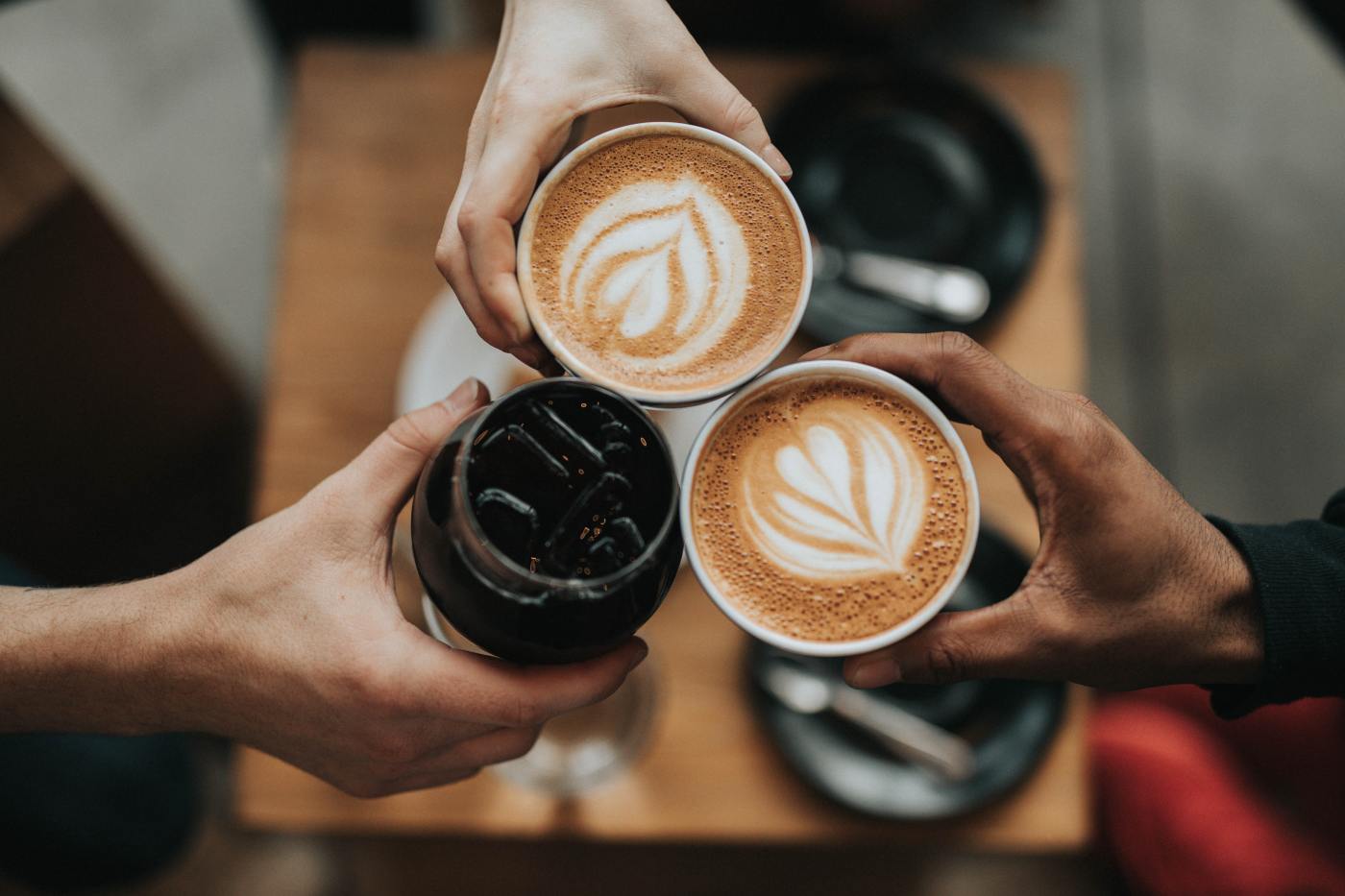

Your coffee order advice from a former barista
Would Grumpy Cat have looked friendly in comparison to your face when you get up in the morning and haven’t had your coffee yet? Then you might be a little bit more than a caffein lover. If you’re used to how to order coffee at Starbucks, Café Dépôt or Tim Hortons, you might not realize that there is a whole other world surrounding the delicious brown and caffeinated liquid out there.
While I’m not one to complain about a tasty dessert drink, it’s not exactly what I’m going for when I enter my local café, and as a former barista, I’m here to show you the ropes and make sure you actually know how to order when you finally end up in one of those local spots oozing with the smell of freshly roasted coffee beans. Whether you’re looking to avoid anxiously staring at the barista in your local café or simply know what to pair with your dessert when you order an after-dinner coffee at a hip spot, I got you boo.
Local spots that may look like a bad version of Starbucks on the outside are actually so far from the capitalistic hellscape that are big corporations, as most of them aim to buy shade-grown coffee directly from growers, often at a more “fair” price that is above the ridiculously low market value of the beans. But other than the ethics surrounding your local roasters, one experience at a local café and you’ll realize that coffee has never tasted so good as your new favourite barista makes it. That’s because the specialty coffee world has a more traditional way of doing things than to add a bunch of syrups and milk to your beverage.
Thing is, those specialty spots can seem very daunting for a newbie, as the business model isn’t always welcoming to outsiders of the coffee space. Some cafés don’t even have menus and just expect you to know exactly what you want, the way you want it, right away.
So where do you start? Well, let’s go with the most common and basic drinks and I’ll teach you how to order coffee at a café and actually get the drink you want. Now, this list is in no way extensive, but it’ll give you a base to enter the realm of specialty coffee.
Drip coffee
This type of percolation brew is probably the most typical cup o’ joe you’d get in North America. Made in a simple coffee machine by letting hot water drip through coffee grounds into a cup, it’s a simple, relatively light and very common coffee drink.
Espresso
That one is quite important, as it is the base component of many of the drinks that follow. An espresso is a strong black coffee made by forcing hot water through finely ground coffee beans.
Once you master your own preferences, you could get a doppio, a ristretto or a lungo to change it up a bit.
….But what if you add milk to it? Well, keep reading, we’ll get to that.
Macchiato
Essentially, this is an espresso with a bit of frothed milk or foam. This coffee drink came about as a way to differenciate regular espresso orders, from those with a tiny bit of milk, as the two might be confused for one another due to the crema covering the top of the drink, hiding the milk inside.
Thus, because customers couldn’t always easily tell which demi-tasse contained an espresso alone, or an espresso with milk, baristas started “marking” the cups with a dollop of foam on top of the crema, giving birth to a version of the iconic macchiato.
Cortado
Whether you prefer to call this Spanish espresso-based drink a cortado or any other name I’ve heard over the years is up to you, as it refers to the same type of coffee.
While the milk in a cortado is steamed, it is generally not frothy or texturized, but you can always ask your barista if you have doubts about the way they serve it at your local café.
Cortadito
As you may have guessed from its name, a cortadito is not so different from the previous espresso beverage entry. In fact, the only difference is the use of heated sweet condensed milk to make the drink, rather than fresh milk, as historically, the latter was unavailable for many in its country of origin, Cuba.
Gibraltar
Now, coffee enthousiasts could argue endlessly about whether a gibraltar is really just a macchiato or a cortado, but for the time-being, we’ll assume they are different. If you like the short size of a cortado, but prefer a foamier and lighter espresso drink, you could opt for a gibraltar instead, as the resulting coffee drink is much more aerated.
Flat white
Popular with Aussies and Kiwis, this delectable espresso-based drink is probably my favourite of them all. This option often is called a tiny caffè latte or a wet cappuccino by North Americans, and is normally made with espresso and steamed milk at a 1:3 proportion. It is short and sweet, but still more espresso forward than the more common latte drinks you’ll find.
Cappuccino
Ah! The beloved cappuccino. A strong cup of espresso filled with frothy milk foam. If you want to alter the density of the frothed milk, you can ask for a wet cappuccino (less foamy) or a dry cappuccino (foamier).
Latte
A caffè latte, shortened to latte in English, is also a drink made with espresso and foamed milk, but at bigger proportions than the previous examples, making it a lighter and sweeter end drink.
Nowadays, you can get lattes made of various plant-based “milks,” such as oat, coconut or cashew milk, or flavoured versions adding chocolate, turmeric, or beet powder to the drink, turning your latte cup into a really tasty experience.
 Kelly Asselin-Tousignant
Leave a comment